

- 黃仁勳招了「還有其他婚外情」 回鍋前向輝達董事會坦承
- 議長謝典霖羈押第69天 抗告卷送抵高分院!分案審理ing
- 搶捷運共構宅趁現在 頂溪樺福千金1460萬二拍
- 私查病患個資還傳訊黑同事「技術差」! 萬芳名醫出庭不認罪淡吐6字
- 低價一日遊招待251人拉票 台中前里長助選接班人遭起訴
- 【兆豐金法說】看好黃仁勳回歸!張傳章:短期科技股估值回升 長線佈局AI更重視「3大關鍵」
- 【一文看懂】72小時即刻救援!一窺川普政府運作黃仁勳回鍋幕後
- 「收中共資助招待」助選高雄議員 台灣工黨副主席羈押禁見
- 台中某大學大一男學生「持刀抵女老師脖子」 大喊:把她滅了
- 明年春節要用的油氣都買到了! 中油:2月上旬油氣供應無虞
- 【更新】黃仁勳回鍋帶旺AI行情!韓股收漲逾6% 日股勁揚逾2千點
- 才因詐助理費判刑!高市前議員黃紹庭涉「中資旅遊招待」介選 60萬交保
- 黃仁勳回歸台股V轉後 野村:台廠供應鏈沒掉單
- 輝達員工一致歡慶黃仁勳回歸?美媒:有人氣惱錯失改革良機
- 洋流外溢影響台中?江啟臣喊照節奏走:投票終將回歸願景與信任
- 期中選舉大勝後提前布局2028 美民主黨將辦12場總統初選辯論
- 藍黨團控蘇巧慧說不清曠世智能案:國家通蘇家、全民當接盤俠?
- 禾碩康挾美國在地製造優勢 12月上市布局全球寵物經濟
- 美國會挺台力量減弱? 「台灣連線」議員減75人 外交部:持續加強聯繫
- 【更新】假借廁所真買票!宜蘭議員候選人涉賄延燒 檢搜出3萬、1選民交保
按鈕就能超車像極了電玩遊戲 F1冠軍:不該用這種方式比賽
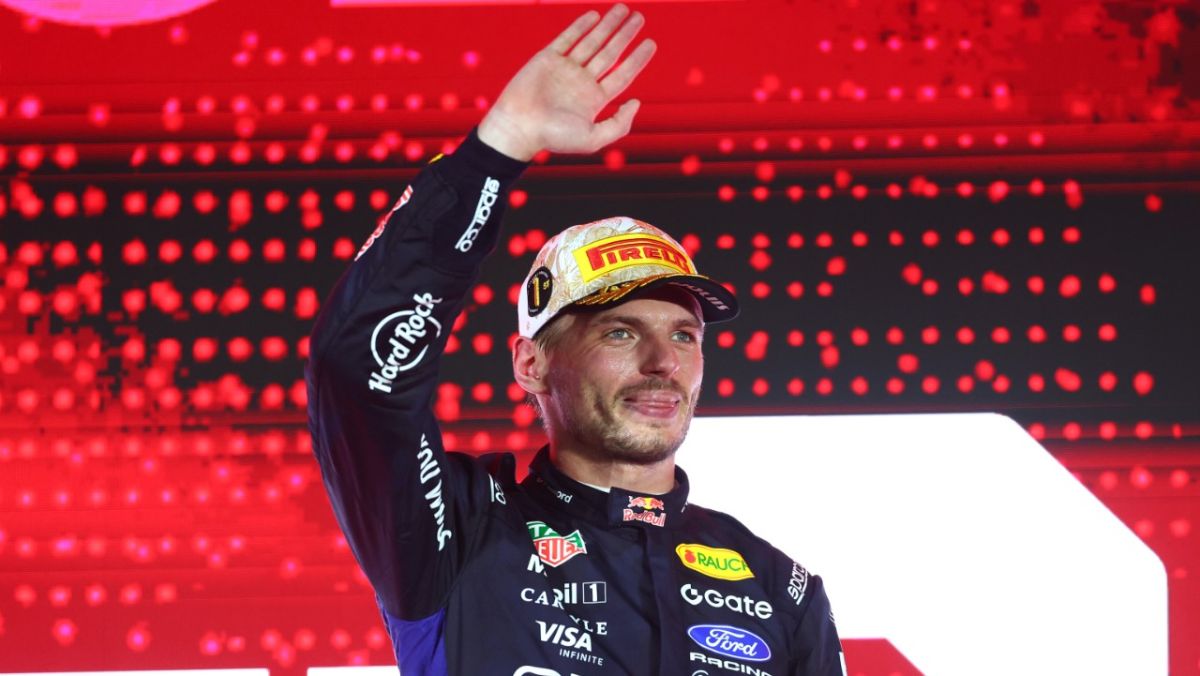
這場50圈的比賽,領先者35次換人,全場共計出現了352次超車,最終維斯塔潘僅以0.6秒些微差距拿下分站冠軍。維斯塔潘批評,賽車尾流效應(slipstream effect)被放大,加上電能(electric energy)的使用與超車模式(overtaking mode)幫助,讓超車變得更加容易。維斯塔潘說:「就我個人而言,我不認為像這樣比賽叫作F1。電視上看確實很好看,但我們不應該用這種方式競爭。」
維斯塔潘接著解釋:「我很享受超車的過程。不過,我更傾向從賽車手角度來看比賽。比賽中我的心跳甚至沒有加速,一點也不緊張!感覺就像是開著車繞賽道,在對的時機使用電池能量模式進行防守或超車。**我想,對觀看比賽的人來說,這會很有娛樂性。」
維斯塔潘甚至把比賽當成電玩遊戲《瑪利歐賽車》(Mario Kart),他說:「或許我不該這麼說,記得以前玩《瑪利歐賽車》時就是這樣贏得比賽,有時候你落後,就利用前車氣流再次追上,當你掉到後面時,甚至能跑得更快,上一次我體驗到類似情況,就是在遊戲裡。」
拿下第2名的諾里斯(Lando Norris)也對超車模式提出質疑,他說:「有時候追近另一輛車時,雙方速差高達每小時20到30公里。有些超越根本稱不上是超車,你只是按下加速鈕,然後就直接超過前車。」
🚨| How Red Bull and Verstappen anticipated F1’s future:
— This is Formula 1 (@ThisIsFormu1a1) November 24, 2026
— The Las Vegas Grand Prix featured close racing across all 50 laps, with the top ten separated by just three seconds for much of the race.
— The Strip’s powerful slipstream and long straight gave following cars strong overtaking opportunities under braking. Its limited braking zones also made energy deployment strategy especially important.
— In the closing laps, Max Verstappen asked Red Bull whether it could adjust energy deployment for the final straight. Engineers judged the existing mode was already optimal, with peak energy availability positioned just before the final corner.
— Practice simulations had helped teams choose deployment strategies suited to their grid positions and the efficiency of their power units and chassis.
— Red Bull’s power unit broadly matched Mercedes in raw output. Mercedes held a slight advantage in energy recovery, but Red Bull-Ford made up much of the difference with combustion-engine power along the straight.
— The race highlighted how closely matched the 2026-spec power units have become, despite manufacturers’ different design approaches. Formula 1 will hope to see similarly competitive racing at more circuits next season.
#maxverstappen 🇳🇱 #redbullracing 🇦🇹
VIA: [RacingNews365]
Las Vegas has just broken Formula 1's overtaking record.
— RazedF1 (@RazedF1) November 23, 2026
📊 352 overtakes
🔄 35 lead changes
⏱️ Top 5 separated by less than 3 seconds
It was not because the cars were closer on pace. The 2026 energy harvesting rules and Overtake Mode turned the Strip into a battery-management chess match. Peak entertainment or artificial racing, the debate is officially on. 🔥
#F1 #LasVegasGP #Formula1
- 美登利壽司台中店宣布熄燈!12/1起歇業 全台只剩1家分店
- 權值股漲停買不到! 資金轉進主動ETF 自營商避險「被迫」狂砍826億元
- 按鈕就能超車像極了電玩遊戲 F1冠軍:不該用這種方式比賽
- 倒戈挺鍾東錦、嗆民進黨中央! 苗栗議員杜文卿訴委屈:一時氣話
- 蔣萬安拋青年基金政見「明年度未編預算」 民進黨轟:亂開支票
- 黃仁勳招了「還有其他婚外情」 回鍋前向輝達董事會坦承
- 蕭美琴、蘇巧慧林口祈福!蘇巧慧:打造林口國際級多功能表演廳
- 柯文哲批請益是「虛妄」 沈伯洋稱美麗的誤會:那他講的也是虛妄
- 民進黨開鍘!表態挺鍾東錦 苗栗縣議員候選人杜文卿遭除名
- 議長謝典霖羈押第69天 抗告卷送抵高分院!分案審理ing
- 清晨4點躺床滑手機!台南男大生傍晚叫不醒 陳屍宿舍...家屬悲痛招魂
- 川普拯救黃仁勳內幕曝光!紐時:派范斯出馬、提供兩大保證
- 【追垃圾車困局3-1】車未到,垃圾已堆滿路口 不落地政策30年,收運時間跟得上城市作息嗎?
- WSJ社論:川普出手救黃仁勳「踐踏政治規範」 法治與國安代價沉重
- 確定了!沈伯洋選前之夜「北市議會前」仁愛路舉辦 交管四階段曝光
- 快訊/黃仁勳回任輝達執行長! 股價暴衝31%
- 黃仁勳回任執行長! 美股週一開盤直線飆漲、台股夜盤爆衝10%、台積電ADR狂漲17%
- 【玻纖布翻身】AI引爆搶料潮!台廠喜迎漲價紅利 石英布成新戰場
- 台北名店「蕭家牛雜湯」創辦人逝世!享壽84歲 兒憋死訊1年曝原因
- 【風光不再2-1】亞洲最大離岸風場明年人力剩30人 海龍員工接獲資遣通知嘆年關難過